5 Hidden Features of the Brompton G Line You Must Know About
The bicycle industry is currently witnessing a significant shift as urban mobility needs intersect with high-performance adventure capabilities. At the forefront of this evolution is the Brompton G Line, a machine that represents a fundamental departure from the heritage folding bikes that have defined the brand for decades. While much of the initial conversation surrounding this new model has focused on its larger 20-inch wheels and more aggressive stance, there is a wealth of technical sophistication buried beneath the surface. For the discerning rider and technology enthusiast, the G Line is less of a traditional bicycle and more of a precision-engineered piece of urban hardware designed to bridge the gap between paved city streets and unpredictable gravel paths.
Understanding the G Line requires looking beyond its iconic silhouette. It is a bike born from the realization that modern commuters no longer want to be confined to the smoothest tarmac. They desire a versatile platform that can handle cobblestones, park trails, and light off-road detours without sacrificing the legendary folding mechanism that makes a Brompton so practical for multi-modal travel. In this detailed analysis, we explore the nuances of the G Line, focusing on the sophisticated electronics and engineering choices that set it apart from its predecessors and competitors in the premium folding bike market.
The Evolution of the All-Terrain Folder
The Brompton G Line is a response to a decade of community-driven modification. For years, enthusiasts have attempted to "off-road" their standard Bromptons by installing wider tires and custom components, often pushing the original 16-inch wheel frame to its structural limits. The G Line renders these modifications obsolete by providing a factory-engineered solution that handles the physical stresses of varied terrain while maintaining a weight-to-performance ratio that remains portable. This model isn't just a variant; it is a ground-up redesign using new frame geometry and material distributions to optimize the ride quality of larger tires.
What makes this particularly relevant for the electronics and equipment category is the integration of power delivery systems and precision mechanical interfaces. The G Line serves as a masterclass in how to scale a mechanical system while maintaining the tight tolerances required for a flawless fold. Buyers in this segment care deeply about reliability, the ease of maintenance, and how the bike integrates into a digital lifestyle—whether that means tracking performance metrics via GPS or utilizing the electric assistance found in the G Line Electric variant.
1. The Advanced Self-Aligning Hinge System
One of the most impressive technical features of the G Line is the redesigned hinge mechanism. While it may look similar to the standard Brompton hinge at a glance, the G Line utilizes a new self-aligning clamp system. In previous models, aligning the clamp plate required a degree of manual finesse. The G Line introduces a spring-loaded mechanism that ensures the clamp always rests in the correct orientation during the unfolding process. This reduces the mechanical friction and wear over time, a crucial factor for riders who frequently fold and unfold their bikes in high-stress environments like subway platforms or office lobbies.
The precision of these hinges is vital because the G Line generates significantly more torque and leverage due to its larger footprint and wider handlebars. The frame must remain exceptionally rigid under load. By using high-grade steel and refined machining processes, Brompton has ensured that the "flex" typically associated with folding bikes is virtually non-existent here. For the user, this translates to a more stable descent and better power transfer when pedaling out of the saddle.
2. Hydraulic Fluid Dynamics in a Folding Form Factor
The inclusion of hydraulic disc brakes on a folding bike of this size is a major technical milestone. Historically, cable-actuated brakes were the standard for folders because they are easier to route through folding joints without risking line kinks. The G Line, however, features a sophisticated internal routing system for its hydraulic lines. This system provides consistent, one-finger braking power regardless of whether the bike is fully extended or in its compact state.
The hidden feature here is the specific "bleed" geometry of the calipers and the durability of the seals used in the levers. Because the bike is designed to be carried, tilted, and stored in various orientations, the hydraulic system must be entirely resistant to air bubbles migrating into the lines—a common issue with cheaper hydraulic systems when bikes are flipped upside down. The G Line uses a specialized reservoir design that maintains pressure and prevents "spongy" brake feel, ensuring that the rider always has peak stopping power after pulling the bike out of a cramped storage space.
3. The Integrated Smart Motor Controller (Electric Models)
For those opting for the Electric G Line, the motor system represents the pinnacle of Brompton’s electronic engineering. Unlike many third-party e-bike kits that use simple cadence sensors, the G Line features a custom-tuned torque sensor integrated directly into the bottom bracket. This sensor analyzes the pressure being applied to the pedals at a rate of several hundred times per second. It then communicates with the front hub motor to provide assistance that feels natural rather than jerky.
Discover deals on Electronics — updated daily.
View Offers →The hidden sophistication lies in the firmware's ability to differentiate between different types of terrain. When the sensor detects the high-frequency vibrations characteristic of gravel or uneven pavement, the motor controller adjusts its power delivery to prevent wheel spin in the front. This "traction control" logic is essential for a front-hub motor system on loose surfaces. Furthermore, the battery management system (BMS) is designed to optimize cell health during short, frequent commutes, which is the typical use case for a folding e-bike.
4. Modular Mounting for Tech and Navigation
Electronic enthusiasts often struggle with mounting GPS units, lights, and smartphones on folding handlebars because the mounting hardware usually interferes with the fold. The G Line addresses this with a hidden integrated mounting point on the handlebar crossbar. This isn't just a simple bolt hole; it is a reinforced interface designed to accept vibration-dampened mounts. This allows users to attach high-end cycling computers or navigation tools without fearing that the electronics will be crushed when the handlebars are dropped into the folded position.
Furthermore, the front carrier block—a staple of Brompton design—has been reinforced to handle the higher weight distribution of modern gear bags that may include laptops, external power banks, and camera equipment. The stability of this block is paramount for tech professionals who use their bike as a mobile workstation platform. The G Line's geometry ensures that even with a heavy load of electronics on the front, the steering remains neutral and predictable.
5. Schwalbe Tire Technology and Rim Structural Integrity
While tires are often viewed as simple rubber components, the G Line utilizes a bespoke Schwa…This allows for a "suspension-like" feel without the weight and complexity of a mechanical suspension fork. By running the tires at slightly lower pressures, the bike absorbs micro-vibrations that can fatigue a rider over long distances. This is particularly important for those who carry sensitive electronics in their bags, as it reduces the shock transferred to internal components like hard drives or lens elements in a camera setup.
Detailed Product Analysis
The Brompton G Line stands alone in a niche that it essentially created. While there are other 20-inch folding bikes, few can match the compactness of the Brompton fold. The engineering challenge was to increase the wheel size by four inches while only marginally increasing the folded footprint. The result is a bike that feels significantly more "full-sized" when being ridden. The 20-inch wheels offer better rollover capability, meaning that small potholes that would swallow a 16-inch wheel are now merely minor bumps.
The drivetrain choice is also a point of interest for the technically minded. By utilizing an internal gear hub (Shimano Alfine 8-speed), Brompton has moved the most sensitive mechanical components away from the elements. This is a massive boon for riders who don't want to spend their weekends cleaning grit out of a derailleur. The Alfine hub is known for its smooth shifting and ability to change gears while at a complete stop—a feature that is invaluable in heavy city traffic.
Pros and Cons
- Pro: Enhanced Stability - The wider handlebars and longer wheelbase provide a ride quality that Rivals non-folding hybrid bikes, offering confidence at high speeds.
- Pro: Off-Road Versatility - The ability to run 2-inch wide tires allows for genuine adventurous riding on gravel paths and wooded trails.
- Pro: Hydraulic Braking - Exceptional modulation and stopping power in all weather conditions, a significant upgrade from rim brakes.
- Pro: Easy Maintenance - The internal gear hub and protected cabling reduce the frequency of service intervals.
- Con: Increased Weight - The G Line is noticeably heavier than the T Line or P Line models, making it more of a "roll-along" bike than a "carry-up-five-flights" bike.
- Con: Folded Width - While it remains compact, the 20-inch wheels result in a slightly wider folded package that might be tighter in some narrow luggage racks.
- Con: Price Point - As a premium engineering feat, the entry cost is high, placing it firmly in the luxury equipment category.
Comparison Table: G Line vs. Standard Brompton
| Feature | Brompton G Line | Standard Brompton (C Line) |
|---|---|---|
| Wheel Size | 20-inch (406mm) | 16-inch (349mm) |
| Braking System | Hydraulic Disc Brakes | Dual Pivot Rim Brakes |
| Tire Width | Up to 50mm (2.1-inch) | Up to 35mm (1.35-inch) |
| Drivetrain | 8-Speed Internal Gear Hub | 2, 3, or 6-Speed External/Internal Mix |
| Primary Terrain | Mixed (Pavement + Gravel) | Urban (Pavement) |
| Fold Mechanism | Self-Aligning Hinge | Standard Clamp Hinge |
Buying Guide: Is the G Line Right for You?
Choosing between the various Brompton models requires a realistic assessment of your daily environment. The G Line is tailored for a specific type of user: the "super-commuter" or the "adventure-traveler." If your daily route involves more than just perfect asphalt—perhaps a shortcut through a park or a gravel driveway—the G Line’s capabilities will be life-changing. It eliminates the "sketchy" feeling that small-wheeled bikes can sometimes exhibit on loose surfaces.
Discover deals on Electronics — updated daily.
See Deals →When considering the purchase, look closely at the weight. If you are a petite rider who needs to carry the bike frequently over long distances, you may still prefer the lightweight T Line. However, if you typically roll the bike on its wheels (which the G Line does exceptionally well) and only lift it into a car trunk or onto a train, the weight becomes a secondary concern compared to the massive gains in comfort and safety.
From an electronics perspective, the Electric G Line is one of the most competent "car replacement" vehicles on the market. The ability to fold the bike and bring it inside prevents the theft risks associated with locking an expensive e-bike outside. When evaluating an e-bike, the quality of the motor and battery interface is paramount. Brompton’s system is proprietary but highly refined, offering a level of integration that aftermarket kits simply cannot match. Ensure that you have access to a certified Brompton service center, as the hydraulic brakes and internal gear hub benefit from professional maintenance every 1,000 miles to keep the electronics and mechanical systems in synchronization.
Another factor for buyers is the "future-proofing" of the platform. The G Line uses more standard sizes for tires and some components compared to the very specialized 16-inch Bromptons. This means that as tire technology advances in the 20-inch category—perhaps with even better puncture protection or lower rolling resistance—G Line owners will have a wider range of options to upgrade their ride over time. This makes the G Line a more sustainable long-term investment for those who view their bicycle as a primary piece of transportation technology.
Real-World Use Cases
Consider the tech professional living in a city like San Francisco or London. Their commute might involve a train journey, followed by a two-mile ride that includes steep hills and occasionally rain-slicked streets. On a standard folder, the small wheels and rim brakes can feel nervous in the wet. The G Line changes this dynamic entirely. The hydraulic disc brakes provide consistent stopping power even when the rims are soaked, and the larger tires offer a much larger contact patch with the ground, significantly reducing the risk of a slide.
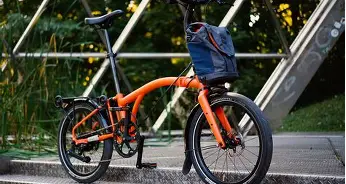
For the weekend adventurer, the G Line opens up the world of "bikepacking." Because it folds, you can take a bus or a small car to the edge of a national park, unfold the bike, and spend the day exploring fire roads that would be uncomfortable on a narrower-tire bike. The ability to combine high-level engineering with rugged capability is the true "hidden" value of the G Line. It doesn't force the rider to choose between a bike that is portable and a bike that is capable; it successfully occupies the center of that Venn diagram.
Furthermore, the ergonomic benefits are substantial. Many taller riders have found standard folding bikes to feel a bit "cramped" despite the long seatposts. The G Line’s revised geometry offers a more natural, upright riding position that mimics a standard mountain or hybrid bike. This reduces strain on the wrists and lower back, making it a viable option for longer rides of 20 miles or more—something few people would attempt on a standard 16-inch folder without significant breaks.
Conclusion
The Brompton G Line is a testament to the idea that iconic design can evolve without losing its soul. By integrating larger wheels, hydraulic systems, and advanced motor logic into the classic folding blueprint, Brompton has created a versatile tool for the modern age. While the features like the self-aligning hinges and the hidden tech mounts may seem like small details, they are the result of rigorous engineering aimed at solving the real problems faced by urban riders. For those who value precision, reliability, and the ability to go anywhere without leaving their bike behind, the G Line represents the current peak of folding bicycle technology. It is a robust, thoughtfully designed machine that acknowledges the world is full of bumps, cracks, and dirt, and provides the rider with the electronics and mechanical prowess to conquer them all.