Asus Rog Zephyrus G14 2025 vs Razer Blade 18 2025: Which Should You Buy?
I've been living with both the Asus ROG Zephyrus G14 2025 and the Razer Blade 18 2025 for several months now, switching between them depending on whether I’m traveling, working from a café, or hunkering down at my desk to game. After putting each through daily productivity workflows, photo/video editing, and extended gaming sessions, I want to share what I learned—the real-world strengths, the little annoyances, and who each laptop actually makes sense for.
Why I bought both (short context)
I bought the G14 because I wanted a genuinely portable gaming-capable laptop that didn't look like a spaceship on a train. I bought the Blade 18 because I needed a mobile desktop replacement for heavy rendering, high-refresh competitive gaming, and occasional content delivery work. Running both machines side-by-side let me compare ergonomics, battery tradeoffs, thermals, display characteristics, and how each behaves under long sessions.
Design and build: compact cleverness vs. slab-of-steel aesthetics
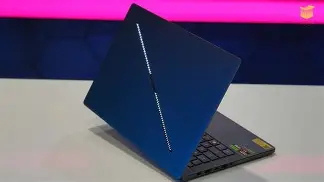
In my experience, the G14 feels like the design-forward option. It’s compact, well-balanced, and remarkably pocketable for a high-performance laptop. The chassis is pleasantly grippy, and the lid’s texture hides fingerprints better than I expected. I noticed Asus has continued the approach of prioritizing weight and footprint—this is the laptop I reach for when I want to travel light.
The Blade 18, on the other hand, is unapologetically substantial. Its all-aluminum unibody gives me confidence; it feels like a machine built to be used hard. But that solidity comes with weight—the Blade is a desk-first laptop for me. Carrying it around all day gets tiring.
What I appreciated
- G14: lightweight, comfortable hinge, understated gamer look that fits in professional settings.
- Blade 18: premium slab feel, tight tolerances, keyboard deck that rarely flexes even under heavy typing.
What bothered me
- G14: the smaller chassis forces a denser internal layout; some ports are crowded on one side and the chassis can feel warm under long heavy loads.
- Blade 18: heft and heat—when the fans ramp up the whole deck can become warm, and the weight discourages frequent transport.
Display: portability vs. immersive canvas
I tested units with high-refresh panels on both machines. The G14’s screen is bright and color-accurate enough for my photo edits when I calibrate it, and the smaller size (14") means that 1440p or 120Hz panels look very sharp. I liked that the G14’s display gets into a good brightness range for outdoor cafes, although direct sunlight still wins.
The Blade 18’s 18" display is where it shines. The extra screen real estate makes video timelines and large spreadsheets feel breathable, and I enjoyed gaming at higher resolutions—everything feels cinematic. If you do creative work, that bigger, more consistent panel is a clear win.
Display notes from use
- I noticed slight color shifting at extreme angles on the G14; normal use is fine, but color-critical work benefits from an external calibrated monitor.
- The Blade 18’s larger panel kept contrast and saturation more consistently across the panel in my unit; it’s what I used when I needed accurate preview playback without an external display.
Performance: day-to-day and sustained workloads
Both laptops have strong performance for 2025 hardware, but their design goals diverge. The G14 aims for excellent performance-per-watt in a small chassis—so you get impressive bursts and solid creative performance for its size. In my video export tests the G14 handled 4K timelines fine, though very long renders leaned on the CPU and showed higher fan noise and some thermal throttling after sustained runs.
The Blade 18 is the brute-force option. It sustained higher clocks for longer, and I used it for long Ray Tracing-heavy scenes and multi-hour game streaming. When I needed the GPU to stay at high boost for a long render queue, the Blade 18 was the machine I trusted. It’s obvious this is the heavier-duty choice.
Gaming impressions
In titles I play regularly, the Blade 18 consistently hit higher frame rates at native resolution and max settings. The G14 can often hit the same framerates if you lower settings or enable adaptive features, and it remains the better choice when portability matters. For competitive shooters where every frame counts, the Blade 18’s sustained performance and larger thermal headroom gave me a more consistent experience in long sessions.
Thermals and noise
Thermals are where the tradeoffs become obvious. The G14 manages thermals very well for its size, but that comes with higher fan RPMs earlier during load. I was surprised by how quickly it ramped under full CPU+GPU stress; the machine stays cool to the touch in most areas, but the fan profile gets noticeable.
Find top-rated Laptops & Computers products at great prices.
Browse Now →The Blade 18 runs hotter on the surface under heavy load simply because there’s more power moving through the system—but its fan curve and thermal design let it maintain higher sustained performance. That means louder fans but less aggressive thermal throttling. In my experience, the Blade 18 is louder but more stable performance-wise in marathon tasks.
Battery life: real-world numbers
Battery life always felt like a real compromise between these two. On the G14, in mixed productivity use (web browsing, video calls, light photo editing, and Slack) I typically saw between 6–8 hours on a calibrated balanced profile. If I was gaming or pushing the GPU, that dropped to about 1.5–2.5 hours—useful for short sessions but not for long gaming away from a plug.
The Blade 18’s battery life is noticeably shorter for general use—expect 4–6 hours in light productivity and closer to an hour or less when gaming. I found myself carrying the Blade’s charger more often; it’s a desk-first, power-nearby machine in my routine.
Keyboard, touchpad, and webcam
Both keyboards are excellent, but they have different feels. The G14’s keyboard offers a slightly snappier key travel and a compact layout I grew used to very quickly. The Blade 18 has a larger layout with a numpad and deeper travel in my unit—comfort for long typing sessions favored the Blade 18 once I adjusted to its spacing.
The touchpad on the Blade 18 is larger and glides smoother for me; precise multi-finger gestures felt more reliable there. The G14’s pad is competent but smalle…
Webcams on both are fine for calls but nothing to rave about. I noticed the Blade 18’s camera handled low light slightly better, but neither replaces a dedicated webcam if you care about streaming quality.
Ports and expandability
The G14 gives a sensible assortment with a focus on USB-C, a full-size HDMI, and headphone jack; it’s enough for a travel setup and I often paired it with a single USB-C dock for creative work. The Blade 18 offers a fuller set—multiple USB-A, multiple high-bandwidth USB-C/Thunderbolt ports, and often additional display outputs—which made it my go-to when I needed to connect multiple external drives and monitors without a hub.
Speakers and audio
Audio surprised me: the G14’s speakers are louder on a per-watt basis and sit well for streaming and movies. The Blade 18 has better stereo separation and fuller bass at higher volumes. For podcast editing I preferred the Blade 18’s output; for casual media the G14 was perfectly fine.
Software and ecosystem
Both laptops come with vendor utilities—Asus Armoury Crate and Razer Synapse variants. I appreciated Asus’ profiles and the ability to tune performance vs. thermals quickly. Razer’s software integrates well with peripherals and RGB control across the ecosystem, which I liked because I own a Razer mouse and keyboard. Neither piece of software felt intrusive after I turned off auto-start widgets I didn’t need.
Looking for the best Laptops & Computers deals on Amazon?
Browse Now →Price and value
Value depends on what you need. I found the G14 delivers a better value-per-portability ratio: if you want strong performance in a travel-friendly form factor, it’s the smarter buy. The Blade 18 commands a premium for its build and larger display; in my budgeting, I only justified the cost because I needed its sustained performance and the bigger screen for long creative sessions.
Pros & Cons
Asus ROG Zephyrus G14 2025 — Pros & Cons
- Pros: Highly portable; surprisingly powerful for its size; good battery life for mixed productivity; understated, professional-friendly design; great for travel.
- Cons: Gets warm and fans ramp under heavy sustained load; smaller screen limits creative workspace; fewer high-bandwidth ports without a dock; webcam is average.
Razer Blade 18 2025 — Pros & Cons
- Pros: Desktop-class sustained performance; large, immersive display great for editing and multitasking; premium build and typing experience; better speaker staging.
- Cons: Heavy and less portable; shorter battery life; louder fans under load; higher price point.
Side-by-side comparison table
| Category | Asus ROG Zephyrus G14 (2025) | Razer Blade 18 (2025) |
|---|---|---|
| Typical Screen | 14" high-refresh (sharp, good color after calibration) | 18" high-refresh (more immersive, better for timelines) |
| Performance Profile | Performance-per-watt focus; strong bursts, decent sustained | Sustained high-power performance; desktop replacement |
| Battery Life (real use) | ~6–8 hours mixed use; 1.5–2.5 hours gaming | ~4–6 hours mixed use; ~1 hour gaming |
| Weight | Light—easy to carry all day | Heavy—best for desk and short transports |
| Thermals & Noise | Efficient but fans ramp early | Higher sustained temps but more consistent performance; louder fans |
| Ports | Sensible travel set; may need hub for multiple devices | More ports and connectivity options out of the box |
| Price | Better value for portability | Premium—higher cost for desktop-class features |
| Best for | Traveling creatives, students, hybrid workers | Content creators, competitive gamers, desktop replacers |
Buying guide: which should you choose?
If you value portability and battery life
In my experience, choose the G14. It’s light enough to carry daily, the battery lasts through most workdays when you’re not gaming, and it doesn’t scream "gamer" in a professional setting. I used it on trains and in cafés far more often than the Blade for that reason.
If you need desktop-level performance on the go
Choose the Blade 18. When I had long render queues or needed to play the latest AAA titles at max settings for extended periods, the Blade 18 held its own and finished work faster. Yes, it’s heavier and louder—but for me that tradeoff was worth it when raw performance mattered.

If you’re a content creator
If your workflow is timeline-heavy editing and frequent color-critical work and you dislike external monitors, the Blade 18’s screen and thermal headroom made my editing sessions faster and more comfortable. But if you travel and edit short-form content, the G14 is a much better traveling companion and still capable of serious work with the right external monitor at home.
If you’re a competitive gamer
I favored the Blade 18 for extended tournament practice sessions because it sustained higher frame rates and felt predictably consistent. For casual or esports play where portability matters, the G14 is still very capable and often a better choice if you carry it to LANs.
Accessories I recommend (from my own use)
- Quality USB-C dock for the G14 if you connect multiple external devices often.
- An external monitor for color-critical work when using the G14 on the go.
- A good cooling pad if you plan to run prolonged high-load tasks on either machine away from a well-ventilated desk.
- Compact high-wattage USB-C chargers so you can keep both devices topped up without carrying two large bricks.
Final thoughts and conclusion
After months of daily use, the decision comes down to what tradeoffs you’re willing to accept. I found the Asus ROG Zephyrus G14 2025 to be a brilliant compromise if you want serious performance without sacrificing portability or battery life. It’s the laptop I grabbed for coffee shop work, travel, and when I wanted something that didn’t dominate my bag.
The Razer Blade 18 2025, in contrast, became my go-to when I needed a mobile machine that behaves like a desktop—when rendering deadlines piled up or when I wanted to game at max settings without babysitting thermal limits. It’s heavier and louder, but the stability and screen real estate paid off in my workflow.
In short: if you prioritize mobility, pick the G14. If you prioritize raw, sustained performance and a larger canvas for creative work, pick the Blade 18. Both machines impressed me in different ways, and having both taught me that the best laptop is the one that fits the way you actually work—not the most powerful one on paper. For my mixed needs, they both earned a place on my desk at different times; your mileage will vary depending on how often you carry your laptop and how long your heavy workloads run.