Is the Asus Rog Xbox Ally X Still Good in 2026? Long-Term Review
When I first bought the Asus Rog Xbox Ally X, I was looking for a machine that could cover two very different needs in my daily life. I wanted something portable enough for couch gaming, travel, and quick sessions in bed, but I also wanted enough power and flexibility to make it feel like more than a novelty. After using it for months as part of my regular routine, I’ve got a much clearer answer to the question I had before buying it: is it still good in 2026, or has it already started to feel outdated?
My short answer is yes, it’s still good in 2026, but not in a perfect, universal way. I’ve found that the Rog Xbox Ally X remains one of the most capable handheld gaming PCs I’ve used, especially if you want access to PC game libraries, Xbox cloud features, and a more premium feel than cheaper alternatives. At the same time, living with it long term exposed some annoyances that don’t always show up in quick reviews. Battery behavior, software quirks, weight during long sessions, fan noise under load, and the occasional friction of Windows on a handheld all became much more obvious once the honeymoon phase wore off.
In this long-term review, I’m focusing on what it’s actually like to own and use the Asus Rog Xbox Ally X over time: the things I still appreciate, the things that started to bother me, and whether I think it’s still worth considering in 2026.
My Long-Term Experience With the Asus Rog Xbox Ally X
I’ve been using this device for several months across different kinds of gaming sessions. Some days I use it for 20-minute bursts to clear a few missions or chip away at an RPG quest. Other times I dock it, connect a controller, and use it more like a tiny gaming PC. I’ve also taken it on trips, used it in waiting rooms, and relied on it for late-night gaming when I didn’t want to sit at a desk.
What I found pretty quickly was that the Rog Xbox Ally X works best when I treat it as a high-end handheld PC, not as a simple console. That distinction matters. If I expected a frictionless, console-like experience every single time, I got frustrated. If I approached it like a compact Windows gaming machine with handheld controls, I enjoyed it much more.
In my experience, that’s the real personality of this product. It’s powerful, versatile, and genuinely impressive, but it also expects a bit of patience from its owner.
Design, Build Quality, and Everyday Comfort
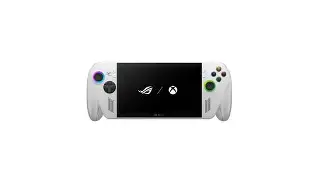
One of the first things I appreciated was the overall build quality. The device feels premium in hand, with a sturdier and more confident construction than many budget handhelds. The grips are shaped well enough that I didn’t feel like I was pinching a flat slab the whole time, and that matters more than I expected during long sessions.
That said, after testing for months, I noticed the weight more and more. In short sessions, it feels substantial in a good way. In longer sessions, especially with action games that require constant trigger use, my wrists definitely started to feel it. I was surprised by how much this depended on posture. Sitting upright with my elbows supported? Fine. Lying back and holding it above my lap for an hour? Not nearly as comfortable.
The controls have been mostly excellent in my use. The sticks feel precise, the face buttons are responsive, and the triggers are satisfying enough for racing games and shooters. One thing that bothered me, though, is that even good handheld controls can’t entirely escape the “small-device compromise.” If I’m playing something highly competitive, I still prefer a full-size controller. For casual and single-player gaming, though, I’ve been happy with the setup.
Display Quality in 2026
The screen is still one of the strongest reasons I enjoy using this device. It looks sharp, bright, and smooth enough that games feel more premium than they do on lower-tier handheld screens. Colors have held up well in day-to-day use, and I still like how lively games look on it, especially stylized titles, racing games, indie games, and older AAA titles that can run at more comfortable settings.
In my experience, the display helps the Rog Xbox Ally X age well. Even in 2026, it doesn’t feel like a cheap or dated panel. I noticed that when I switched back and forth between this and more budget-oriented portable devices, the Asus screen still felt noticeably more refined.
Where things get more complicated is the relationship between the display and performance. A great screen makes you want to push higher settings and smoother frame rates, but that naturally puts more pressure on power and battery life. So while I love the display, I also learned that the best experience often comes from being realistic with settings rather than chasing maximum numbers.
Performance Over Time
Performance is the reason I kept reaching for the Rog Xbox Ally X even after the novelty wore off. I’ve used it for indie games, emulation, older PC titles, modern multiplayer games, and a mix of newer AAA releases. Across that spread, I found it remained highly capable in 2026 as long as I adjusted expectations game by game.
For lighter games and older titles, it feels excellent. Menus are snappy, games launch quickly enough, and I can often get smooth performance without much tinkering. For mid-range and moderately demanding games, I usually found a sweet spot with reduced settings and sensible resolution choices. That’s where the device shines for me: not in brute-force domination, but in delivering a balanced and portable PC gaming experience.
Find top-rated Laptops & Computers products at great prices.
View Offers →With newer, more demanding games, I had to be more hands-on. This is where long-term ownership teaches you the truth. On paper, the device is powerful for a handheld. In practice, some modern releases still need careful tuning to feel comfortable. I’ve spent time lowering shadows, dialing back texture expectations where necessary, using upscaling features, and choosing whether I care more about battery life, image clarity, or frame rate in a given game.
I didn’t mind that too much because I enjoy tweaking settings. But if someone wants a purely pick-up-and-play experience with every new AAA release, I think they may be disappointed. The Rog Xbox Ally X can absolutely run a lot, but it doesn’t magically remove the compromises that come with handheld PC gaming.
Thermals and Fan Noise
I was pleasantly surprised by how well the system manages heat in ordinary use. For indie titles, streaming, and older games, it stays very manageable. But once I pushed it into more demanding territory, I noticed the fans much more. They’re not disastrous, and I wouldn’t call the device uncomfortably loud in every case, but there were plenty of times when I was very aware of the cooling system working.
One thing I appreciated is that the heat distribution usually felt controlled enough that the grips remained usable. One thing that bothered me is that fan noise becomes part of the experience in quiet rooms. If I’m wearing earbuds, it’s much less of an issue. If I’m playing late at night in silence, it becomes harder to ignore.
Battery Life: Better Than Many, Still a Limitation
Battery life is probably the area where my opinion became more nuanced over time. When I first got the device, I was just happy that it outperformed weaker handhelds under similar conditions. After months of use, my view shifted from “this is impressive” to “this is decent, but still the main thing I plan around.”
For lighter tasks, game streaming, indie titles, and older games, the battery can feel respectable. For demanding local gaming, it still drains fast enough that I think of the charger as part of the normal package. I noticed that my enjoyment of the handheld improved a lot once I stopped pretending I’d get laptop-like unplugged endurance from it.
In real life, that meant I used it in two main ways. Either I treated it as a portable device for shorter sessions away from power, or I used it near an outlet …
Software, Windows, and the Day-to-Day User Experience
This is where my feelings are most mixed. The Asus Rog Xbox Ally X offers tremendous flexibility because it’s essentially a handheld Windows gaming machine. I can install launchers, tweak settings, use different stores, run emulators, and access a broader gaming ecosystem than a more locked-down platform. That freedom is real, and I’ve genuinely benefited from it.
But Windows on a handheld still asks for patience.
I’ve dealt with launcher updates, occasional interface awkwardness, small text, random pop-ups, and the general weirdness of using desktop-oriented software on a portable touchscreen device. I was surprised by how much these little interruptions affected my mood compared with using a more console-like platform. None of them ruined the experience, but they do add friction.
What I found helped most was setting the device up properly early on. Once I streamlined my launchers, updated drivers, configured power modes, and settled into a few favorite use patterns, the experience got much smoother. Long term, I’d say the software experience is good but never invisible. It’s manageable, and often rewarding, but it never fully disappears in the way a traditional console interface can.
Audio and Media Use
I didn’t buy this primarily as a media machine, but I ended up using it for videos, streaming, and general browsing more than expected. The speakers are decent enough for personal use, and I found them clear enough for gaming and casual streaming. They’re not room-filling, and I wouldn’t call them a standout feature, but they’ve been reliable.
For games, I usually preferred headphones because they make the whole experience feel more immersive and help mask fan noise. Still, for quick play sessions, the built-in audio has been perfectly serviceable.
Pros and Cons After Months of Use
Pros
- Strong handheld PC performance: I’ve been able to play a wide range of games comfortably, especially with sensible settings.
- Premium build quality: It feels solid, well-made, and more refined than many cheaper handhelds.
- Very good display: The screen still looks vibrant and smooth in 2026, which makes the whole device feel modern.
- Flexible ecosystem: I can use multiple launchers, cloud services, and PC game libraries instead of being locked into one storefront.
- Better battery behavior than some rivals: In my experience, it’s not miraculous, but it is more practical than several weaker or less optimized alternatives.
- Docking versatility: I liked being able to shift between handheld use and a more desktop-style setup.
Cons
- Windows still feels clunky on a handheld: This is the biggest long-term annoyance for me.
- Battery life remains a planning issue: I still think about the charger during demanding sessions.
- Noticeable weight over long sessions: It’s comfortable at first, but I definitely feel it in extended play.
- Fan noise under load: Not awful, but easy to notice in quiet environments.
- AAA gaming requires tuning: I’ve had to spend time adjusting settings more often than I would on a console.
- Premium price expectations: Because it feels high-end, I expect a smoother user experience than it always delivers.
Comparison Table: How It Fits My Needs in 2026
| Category | My Experience With the Asus Rog Xbox Ally X | 2026 Verdict |
|---|---|---|
| Build Quality | Solid, premium, durable-feeling in daily use | Still a strength |
| Comfort | Good grip design, but weight becomes noticeable over time | Good, not perfect |
| Display | Sharp, bright, and pleasing for both games and media | Still competitive |
| Performance | Excellent for indie, older, and mid-tier games; good with tweaks for newer titles | Still relevant in 2026 |
| Battery Life | Acceptable to good depending on workload, but not worry-free | Serviceable limitation |
| Software Experience | Flexible but occasionally frustrating due to Windows handheld quirks | Biggest compromise |
| Value Over Time | Worth it if you actually use its flexibility and power | Depends on your priorities |
Who I Think Should Buy It in 2026
After living with it for months, I think the Asus Rog Xbox Ally X makes the most sense for a specific kind of buyer.
Discover deals on Laptops & Computers — updated daily.
Shop Amazon →I’d recommend it to someone who wants a premium handheld gaming PC, understands the trade-offs of Windows portability, and values access to a broad range of PC gaming options. If you like adjusting settings, using different launchers, and getting the most out of portable hardware, there’s still a lot to appreciate here.
I would especially consider it if your gaming habits look anything like mine: a mix of indie titles, older AAA games, occasional newer releases, remote play, cloud gaming, and flexible use around the house. In that kind of setup, I think the device still feels very relevant in 2026.
On the other hand, I’d be more cautious recommending it to someone who wants maximum simplicity. If you want every game to behave like a console experience, with minimal tinkering and cleaner suspend-and-resume behavior, this may not be the perfect match. I also wouldn’t prioritize it for buyers who care most about the lightest possible handheld or the best unplugged endurance.
Buying Guide: What to Consider Before Choosing the Asus Rog Xbox Ally X
1. Think About the Games You Actually Play
The biggest factor is your personal library. I’ve had the best long-term experience when using the device for a broad mix of titles rather than expecting it to brute-force every cutting-edge game at high settings. If most of what you play is indie, older AAA, emulation, strategy, live-service games, or cloud gaming, it’s an easier recommendation.
2. Be Honest About Your Tolerance for Tinkering
In my experience, enjoyment goes up a lot if you don’t mind making occasional adjustments. I’ve changed power profiles, updated software, optimized game settings, and worked around launcher oddities. None of that is unusual for PC gaming, but it matters more on a handheld.
3. Decide Whether Portability or Battery Matters More
I noticed that a lot of buyers talk about portability as if it automatically includes long battery life. It doesn’t. The Rog Xbox Ally X is portable in the sense that I can carry it around the house, bring it on trips, and game without a desk. But for heavier games, it’s still the kind of device I mentally pair with a charger or power plan.
4. Consider How Often You’ll Use It Docked
One reason I’ve stayed positive about it is that I don’t only use it in pure handheld mode. I sometimes dock it or connect peripherals, and that adds value. If you like the idea of one compact gaming machine serving multiple roles, this product makes more sense.
5. Don’t Buy It Expecting Magic
This may be the most important advice I can give. I’ve enjoyed the device most when I treated it realistically. It’s not a full desktop replacement for every purpose. It’s not a frictionless console. It’s not a battery champion. What it is, in my experience, is a powerful and flexible handheld gaming PC with a premium feel and some very real compromises.
So, Is the Asus Rog Xbox Ally X Still Good in 2026?
Yes, I think the Asus Rog Xbox Ally X is still good in 2026, and in some ways it has aged better than I expected. The display still looks excellent, the performance remains genuinely useful, and the overall hardware still feels premium. I’ve continued to enjoy using it because it gives me a kind of gaming flexibility that few other devices match in quite the same way.
At the same time, my long-term experience made me more aware of its flaws. Battery life is better than some alternatives but still limiting. Windows remains both its superpower and its biggest headache. The weight and fan noise are manageable, but not invisible. And newer demanding games remind me that handheld PC gaming always involves compromise.
After testing for months, my honest take is that this device is still worth considering if you understand what it is. If you want a polished, powerful, flexible handheld PC and you can live with some software friction, I think it still holds up well. If you want absolute simplicity, effortless battery life, and zero tinkering, I’d look more carefully at whether this style of device really fits your habits.
For me, the Asus Rog Xbox Ally X is still a device I’m glad I bought. It hasn’t been perfect, but it has stayed useful, enjoyable, and relevant long after the first impression faded. That, to me, is the real test of whether a product is still good in 2026.