Why Everyone is Buying the Yeti Roadie Cooler (Full Review)
I clearly remember the moment I decided to pull the trigger on the Yeti Roadie. I was standing in the middle of a dusty trailhead in July, reaching into my old "budget-friendly" plastic cooler, only to find that my expensive steaks were floating in a lukewarm lukewarm bath of melted ice and hot dog juice. It was the third time that summer a weekend trip had been cut short or at least made significantly more annoying because my gear couldn't keep up with the heat. I looked over at a friend’s truck, where his Roadie was tucked neatly behind the driver’s seat, and I realized I was tired of replacing twenty pounds of ice every twenty-four hours. I bought my own the following Monday, and after six months of using it for everything from cross-country road trips to backyard barbecues, I finally understand why these things have become a cultural phenomenon.
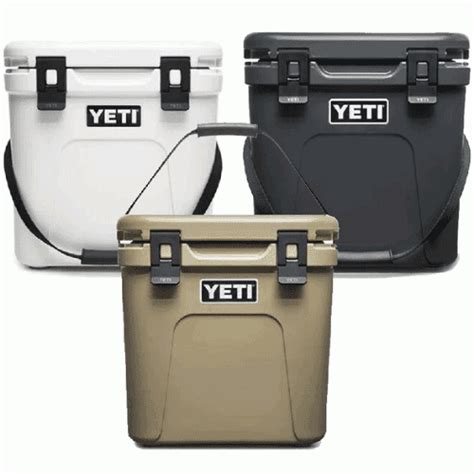
When you first handle a Yeti Roadie, the first thing you notice is the weight. It feels less like a piece of camping equipment and more like a piece of industrial machinery. I went with the Roadie 24 version, which is the evolution of the older 20 model, and the design changes are immediately apparent. It’s taller, leaner, and feels significantly more refined than the versions that came before it. In this review, I’m going to break down exactly what it’s like to live with this cooler day-in and day-out, skipping the marketing fluff to tell you what actually matters when you're three days into a wilderness trek or just trying to keep drinks cold during a kid's soccer tournament.
The Evolution of a Classic: My First Impressions
I’ve owned many coolers over the years, from the vintage metal ones passed down by my grandfather to the modern rotomolded competitors that have flooded the market. What I found with the Roadie 24 was a specific focus on portability that the larger Tundra series lacks. One thing that bothered me about my larger coolers was that they were "two-person jobs" to move once they were loaded with ice and beverages. I wanted something I could grab with one hand while holding a bag of charcoal in the other. The Roadie 24 uses a flexible, HEFTY HAULER handle—a woven strap with a comfortable grip—instead of the stainless steel rotating bar found on the older models. At first, I was skeptical. I thought the strap might feel flimsy or dig into my hand. However, after lugging it across several parking lots and sandy beaches, I actually prefer it. It stays out of the way when you don’t need it and doesn't rattle against the side of the truck while you're driving.
The height is another major factor. I noticed that the Roadie is specifically designed to accommodate standard bottles of wine or two-liter bottles of soda standing upright. In my experience, this is a game-changer. Most small coolers require you to lay wine bottles on their side, which inevitably leads to leaks if the cork isn't perfect or just makes it incredibly difficult to organize your food around the rolling bottles. Being able to stand things upright means I can layer my ice and food more logically. I usually put the heavy items and the coldest items at the bottom, then stand my tall bottles along the side, and keep delicate snacks on the top layer.
Performance Testing: The Cold Hard Truth
The most common question I get asked is, "Does it really hold ice for days?" The honest answer is: it depends entirely on how you use it. When I first bought it, I did what most people do—I took it out of my hot garage, threw in some room-temperature Cokes, and added a bag of ice from the gas station. By the next morning, half the ice was gone. I was disappointed, but then I realized I wasn't following the "Yeti way." These rotomolded coolers are essentially massive blocks of insulation. If the insulation starts out warm, it will spend the first several hours cooling itself down rather than keeping your contents cold.
I started "pre-chilling" the cooler. I've been using a sacrificial bag of cheap ice or a কয়েক frozen gallon jugs of water a night before my trips. Since I started doing that, the performance has been night and day. On a trip through the Utah desert last August, I was surprised by how the Roadie held up. Despite 100-degree ambient temperatures inside my car, I still had solid ice cubes after 48 hours, and my drinks remained painfully cold until the end of day three. It isn't magic, but the two inches of PermaFrost insulation really do provide a thermal barrier that cheap plastic coolers simply cannot match.
One thing I found was that the gasket—the rubber seal around the lid—is remarkably tight. It’s the same ColdLock Gasket technology they use on their commercial-grade coolers. You can actually feel the air resistance when you go to open it. This is great for keeping the cold in, but I noticed that if you’re constantly opening and closing it (like if you have kids reaching for juice boxes every ten minutes), you’re going to lose ice much faster. In my experience, the Roadie is best used as a "mission-critical" cooler for things that must stay cold, rather than a frequent-access beverage bin.
Daily Use and Ergonomics
The Roadie has become my "electronics" cooler in a sense—not because it holds gadgets, but because it feels like a precision-engineered device. The latches, for instance, are a significant departure from the classic "T-rex" rubber latches on the larger Tundras. The QuickLatches on the Roadie are designed for one-handed operation. I can pop them open with a thumb while I'm holding a sandwich, which is something I could never do with the older style. They are snappy, secure, and I haven't seen any signs of the rubber fatiguing after hundreds of uses.
Shop the latest Electronics picks on Amazon.
See Deals →Another observation: Yeti removed the drain plug on the 24 model. When I first saw this, I was annoyed. Why would they remove such a basic feature? But after using it for a few months, I realized I rarely needed it on a cooler this size. Because it’s relatively light, it’s actually easier to just tip the whole thing over to dump out the water at the end of a trip. Plus, removing the drain plug means one less point of failure for leaks and one more solid wall of insulation. It makes the interior easier to clean too; I just wipe it down with a bit of dish soap and a hose, and there are no nooks or crannies for mold to grow in around a plastic drain assembly.
The footprint of the cooler is also worth mentioning. It is intentionally narrow so it can fit behind the front seat of most vehicles. I’ve found this incredibly useful for solo road trips. I can reach into the backseat from the driver’s chair (while parked, of course) and grab a cold water without having to get out and go to the trunk. It also makes a fantastic seat. The lid is flat and textured, and at my height, it’s the perfect stool for sitting around a campfire or waiting for a parade. The "NeverFail" hinge system—consisting of two hinge pins and an interlocking design—means I don't worry about the lid snapping off if I lean back too far.
The Competition: How It Compares
I’ve compared this to several other "premium" coolers on the market. While some other brands offer similar ice retention at a slightly lower weight, they often feel "plastic-y" or have hardware that feels like it might break after a season of hard use. The Yeti feels like a monolithic object. The tie-down slots are anchored directly into the body, which I’ve used to strap the cooler to the deck of a boat. It didn't budge even in choppy water. Many cheaper competitors use glued-on components that eventually fail under that kind of stress.
| Feature | Yeti Roadie 24 | Standard Retail Cooler | Hi…
Buying Guide: Is the Roadie Right for You?I’ve realized that the Yeti Roadie isn't for everyone. If you only use a cooler once a year for a Fourth of July party in your backyard where the cooler is ten feet away from a refrigerator, this is probably overkill. You’d be better off with a fifteen-dollar foam box. However, in my experience, the Roadie is the perfect choice for several specific types of users. First, the road-tripper. As I mentioned, the "behind the seat" fit is arguably the Roadie’s best feature. If you spend a lot of time in your vehicle and want access to fresh food and cold drinks without stopping at every gas station, this is the gold standard. It saves money in the long run by allowing you to carry your own groceries rather than relying on expensive roadside options. Second, the outdoor enthusiast who travels solo or as a duo. The 24-quart capacity is the "Goldilocks" size for two people over a weekend. It fits perfectly into a kayak, a small trunk, or the floorboard of a Jeep. For larger families, you would likely need to step up to the Tundra 45 or 65, but those are much harder to transport spontaneously. Discover deals on Electronics — updated daily. See Deals →Third, the "Buy It Once" consumer. I’ve gone through three or four cheap coolers in the last decade. The hinges break, the plastic fades in the sun, or the lids warp until they no longer seal. I bought the Yeti because I wanted to stop throwing away plastic. Looking at the build quality, I fully expect to be using this same Roadie ten years from now. When you amortize the cost over a decade, it actually ends up being cheaper than buying a new mid-range cooler every two years. When choosing a color, one thing I noticed is that the darker colors (like Navy or Charcoal) tend to show dust and scratches more easily and can get quite hot to the touch if left in direct sunlight. If you plan on having this on a boat or in the bed of a truck, I’d recommend the lighter colors like White or Desert Tan to help reflect some of that UV heat. The Final VerdictSo, why is everyone buying the Yeti Roadie? After my time with it, I’ve concluded it’s because Yeti managed to solve the most annoying parts of cooler ownership. They fixed the height issue, they fixed the latch frustration, and they created a gasket system that actually works. It has become a status symbol, yes, but that status is built on a foundation of genuine utility. What I found was that I used the Roadie more than I ever used my previous coolers. Because it’s easy to clean, easy to pack, and remarkably reliable, it stopped being a "chore" to bring a cooler along. It’s moved from being a piece of camping gear to being a permanent fixture in my car. I was surprised by how much I valued the one-handed latches and the upright bottle storage once I had them. These aren't just "features" on a spec sheet; they are improvements to the way you actually interact with your gear. One thing that bothered me initially was the "Yeti tax"—the higher price point. But after a summer of not having to worry about my food spoiling or having to hunt for an ice machine in the middle of nowhere, that price felt more like an insurance policy for my weekend plans. If you value your time and the quality of your outdoor experiences, the Roadie 24 is one of those rare products that actually lives up to the monumental hype surrounding it. In conclusion, the Yeti Roadie 24 is a masterclass in iterative design. It takes what was already a solid concept and refines it with better ergonomics, smarter dimensions, and simplified hardware. It’s not perfect—no product is—but it is the most capable and user-friendly small cooler I have ever owned. If you're tired of lukewarm drinks and broken plastic latches, it might be time to join the crowd and see what all the fuss is about. I certainly don't regret it. See Amazon's Best Electronics PicksCurated selection of the highest-rated and best-value options. Shop on Amazon →
As an Amazon Associate I earn from qualifying purchases.
|
|---|